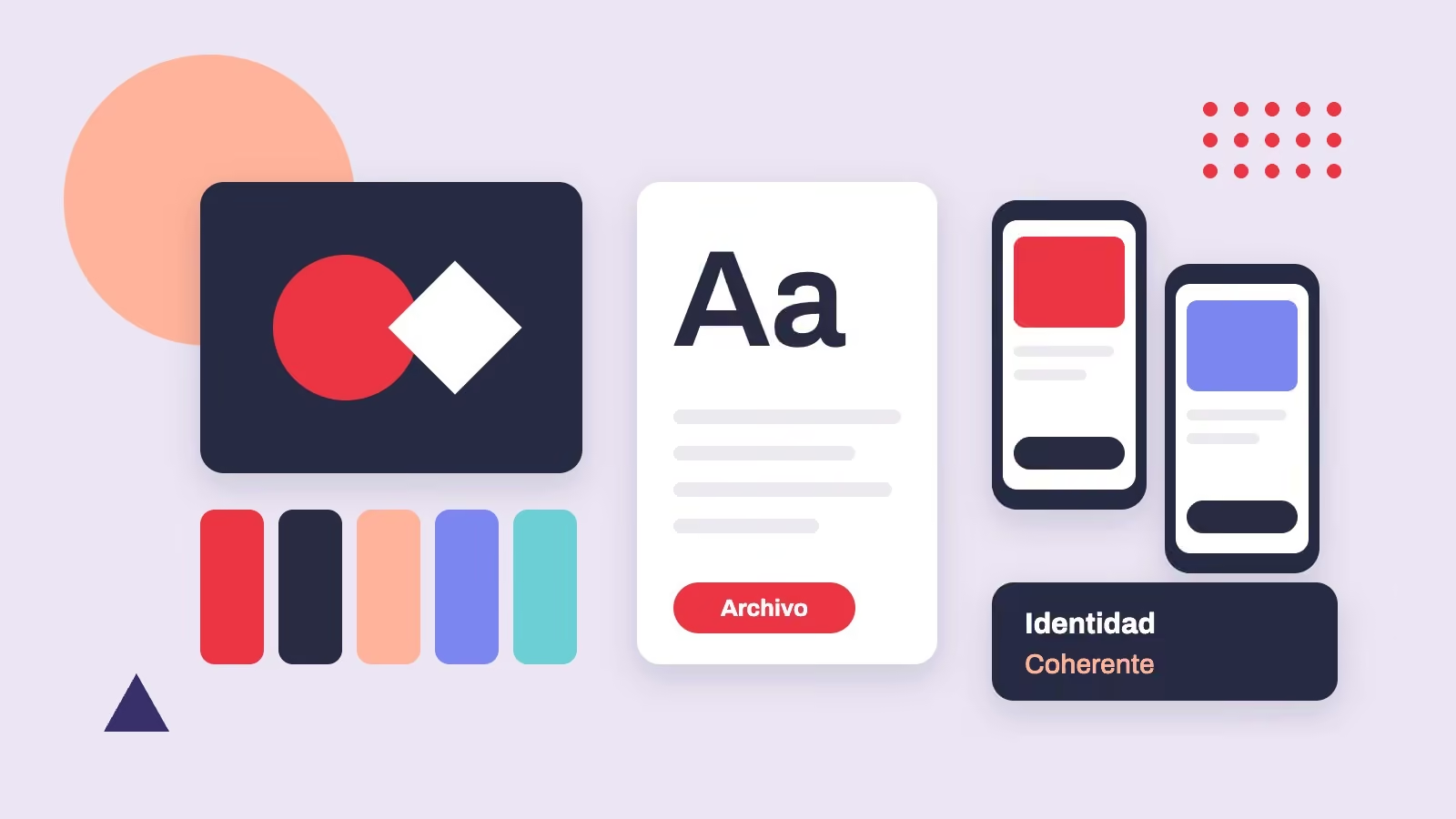
A brand’s identity shows up in many places: a social post, a package, a quote, a website, and the message a customer receives after reaching out to you. When those touchpoints speak different languages, the experience loses coherence.
Digital branding is the work of translating a brand’s personality and purpose into recognizable, consistent experiences across digital channels. You don’t get there by swapping the logo or picking an attractive template.
1. Start by defining what your brand should stand for
Before you talk colors, answer these questions: Who do you serve? What value do you offer? What do you want people to remember? What sets you apart from similar alternatives?
A jewelry store might highlight craftsmanship, exclusivity, or contemporary design. A tech startup might prioritize simplicity and clarity. A food brand might emphasize origin, ingredients, and a personal touch. No identity should rely on the clichés its industry seems unable to escape.
A useful brand promise has to be backed by a real product, service, and experience.
2. Build a visual system, not a collection of one-off pieces
Logo, typefaces, colors, iconography, photography, layout, and image treatment need shared rules. That’s what makes the brand recognizable even when the format changes.
On a website, the system also has to cover buttons, forms, interactive states, cards, and messages. A brand guide that only specifies the logo on a white background leaves a lot of decisions unanswered.
Think about contrast and legibility from day one. A palette can be memorable and still need adjustments so text stays accessible on mobile.
Related serviceBrandingLearn about the service →3. Your brand voice is designed, too
How you explain your products and services shapes perception as much as the visuals do. Decide whether your brand sounds friendly, technical, understated, or aspirational, then adapt that tone to headlines, buttons, FAQs, and error messages.
A luxury brand can lean into a more editorial voice, while an emergency service needs direct instructions. What matters is staying consistent without sacrificing clarity.
Avoid empty phrases that could belong to any competitor. Describe real capabilities, materials, processes, or benefits.
4. Carry your identity into the user experience
A website isn’t a static reproduction of your brand guide. It has to let people take action: discover a service, compare options, browse a catalog, or contact your team.
UI/UX design adapts the identity to navigation, content hierarchy, and devices. A fashion store, for example, can put photography front and center, but sizes, filters, and costs still need to be easy to find.
Visual consistency should never be an excuse to hide important information or use animations that get in the way of interaction.
5. Know when a rebrand makes sense
Changing a brand can make sense if its identity no longer reflects what you offer, if inconsistencies have become hard to manage, or if the company has moved into new markets. But redesigning to chase a trend can confuse existing customers.
Before you start, identify which assets are working, where the identity is used, and which pieces need to be migrated. Consider the website, social profiles, presentations, documents, and internal systems.
A digital rebrand also needs attention to SEO: keep or redirect URLs, update social images, and explain name changes where relevant.
6. Connect brand, content, and discovery
A recognizable identity makes it easier to keep your business name and descriptions consistent across platforms. In turn, your website content should accurately explain the products, services, and markets you serve.
That helps both users and search systems identify your brand. It doesn’t mean a new logo guarantees visibility on Google or in AI answers; editorial clarity and real-world experience still matter.
7. Measure consistency with a simple audit
Review ten touchpoints: home page, service pages, forms, social channels, emails, sales documents, and product pages. Is it recognizably the same brand? Are the messages aligned? Do the visual elements maintain hierarchy and legibility?
Write down decisions that can become reusable rules. That makes it easier to work with different designers and teams without rebuilding the identity for every campaign.
A strong brand is recognized as much by how it looks as by how it helps people interact with it.
At Royale, we approach Branding alongside UI/UX and web development when a project calls for an end-to-end digital experience. You can explore examples from a range of industries in our portfolio.