Having a self-managed website means you can publish whenever you want, without depending on a developer. The next question is almost always the same: so what do I publish? A blog with good content brings in visits from Google and from AI assistants, answers questions before customers write to you and shows you know your industry.
The golden rule: publish what your customers already ask you, explained better than anyone else and with examples from your own work.
1. Answers to frequently asked questions
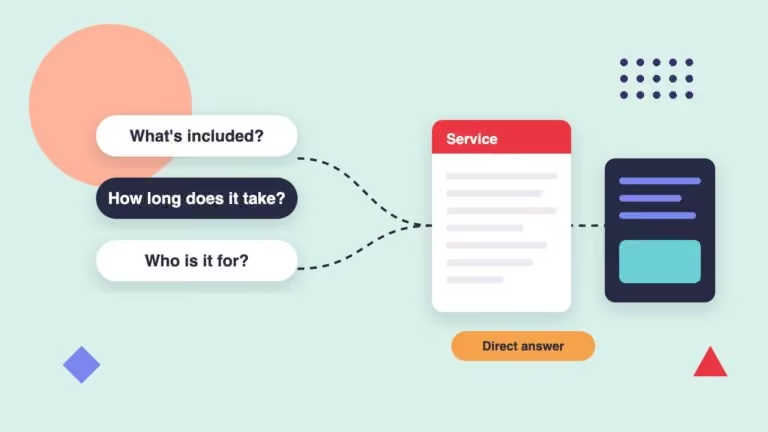
Go through your emails, WhatsApp messages and calls from the last few weeks. Every recurring question can be an article: “How long does it take…?”, “What’s included…?”, “What’s the difference between…?”. These are the topics people search for, and the ones AI assistants cite when they find a clear answer.
2. Guides and tutorials
Explain step by step how to choose, use or care for what you sell: how to pick the right size, how to prepare a document before an appointment, how to maintain a product. Guides build trust and are easy to share.
3. Case studies and projects
Tell the story of a real project: what the challenge was, what you did and what result the client got. With photos, figures (if the client agrees) and a short quote, a case study sells more than any ad.
4. Comparisons
“This or that” is one of the most searched formats: two materials, two plans, two technologies. Be honest about the pros of each option; honesty is what makes readers trust your recommendation.
5. Local content
If you serve a city or a country, say so: prices in your currency, local regulations, nearby suppliers, seasons. An article like “What to consider when… in Guatemala” competes better than a generic one.
6. Company news
Launches, new locations, partnerships or awards. They work best as a complement: if the whole blog is internal news, few people will find it through search engines.
| Content type | What it’s for |
|---|---|
| FAQs | Attracting visits from Google and AI assistants. |
| Guides and tutorials | Building trust and getting shared. |
| Case studies | Convincing people who are already comparing. |
| Comparisons | Helping people decide and positioning you as an expert. |
| Local content | Reaching customers in your city or country. |
| News | Showing your company is active. |
Get help from artificial intelligence
Tools such as ChatGPT, Claude or Gemini help you publish more consistently: suggesting topics based on your customers’ questions, putting together a first draft, polishing the writing, summarizing a long text, suggesting titles or translating an article into another language.
Use them as an assistant, not as the author: check the facts and add your experience, real examples from your business and your own voice. A generic article written only with AI adds little; one reviewed by someone who knows the subject is what builds trust, and what search engines and AI assistants prefer to cite.
How often to publish
One good article a month beats four rushed ones. Make a list of 10 to 12 topics, sort them by what you get asked most and set a date. Consistency matters more than volume.
How to write so people find you
- A title that says exactly what someone would search for.
- The main answer in the first paragraphs, straight to the point.
- Clear subheadings, plus lists and tables when they help.
- Your own images with descriptive alt text.
- Links to your services and to related articles.
- An FAQ section at the end.
To dig deeper into planning topics, see our guide to content strategy for SEO and AI visibility.
Related serviceWebsitesLearn about the service →How we do it at Royale Studios
We build self-managed websites with a blog ready to publish: categories, article templates, FAQs with structured data and SEO fields for every post. We also train your team so they can publish with confidence from day one.